 CompromessoCheck
Guides for foreign buyers
Plain-English explanations of the documents and rules of an Italian property purchase — written from the same checklist our analysis engine uses.
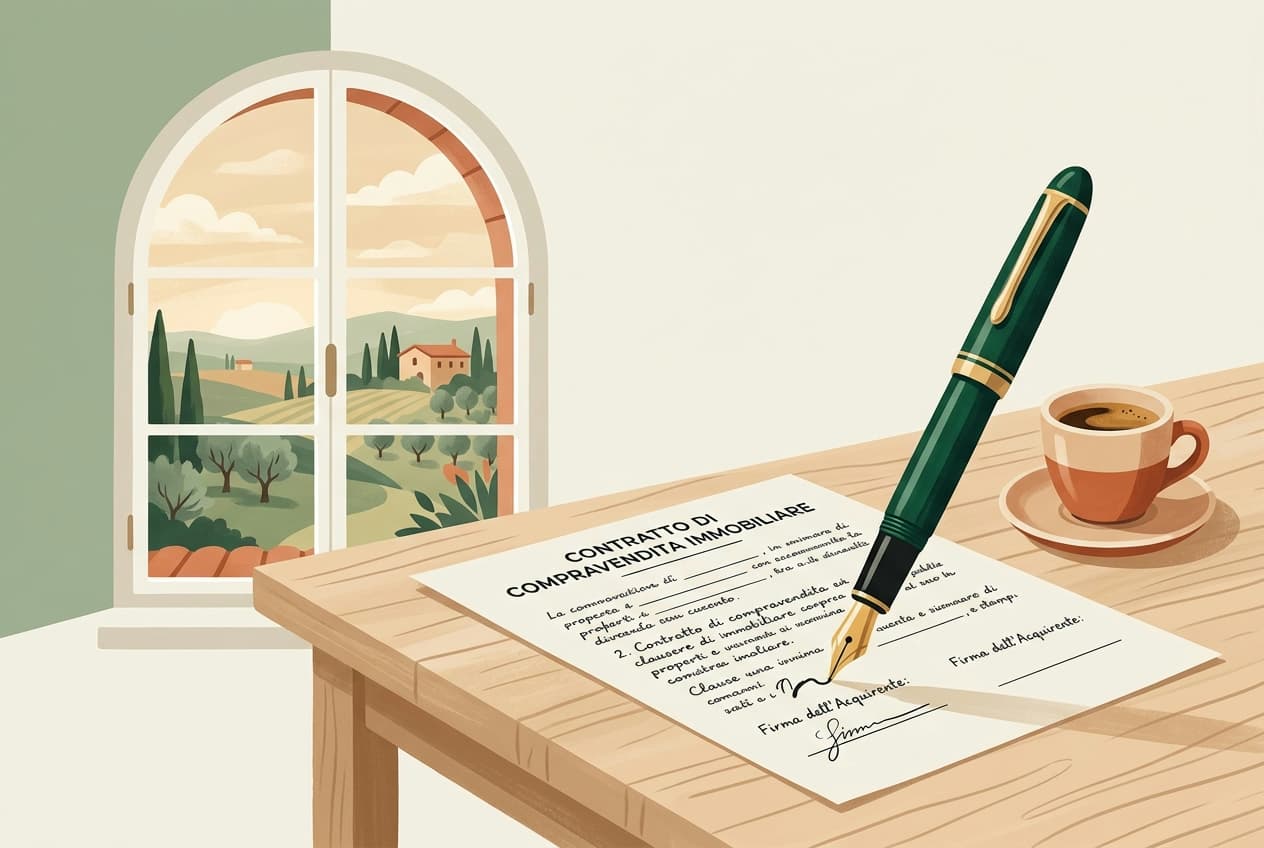
What is a compromesso? Italy's binding preliminary contract, explained
The compromesso (contratto preliminare) is the binding contract of an Italian property purchase. What it commits you to, what the deposit means, and what to check before signing.
Read the guide →

Caparra confirmatoria vs caparra penitenziale: what your Italian deposit really means
Three Italian words decide what happens to your deposit if the purchase goes wrong: caparra confirmatoria, caparra penitenziale, acconto. Know which one is in your contract.
Read the guide →
Buying property in Italy as a foreigner: the 12-point checklist
From codice fiscale to rogito: the 12 checks every foreign buyer should make before signing anything in Italy — deposits, permits, liens, donations, notary, taxes.
Read the guide →

Visura catastale explained: how to read Italy's property record (and what it won't tell you)
Foglio, particella, subalterno, rendita: what every field of the Italian cadastral record means, what red flags to look for, and why you also need the visura ipotecaria.
Read the guide →

Buying a property that was a gift: what the 2025 reform changed
Donated property used to be a red flag for buyers and banks. A December 2025 reform largely removed the risk to the buyer's title — here's what still deserves a question at the notary.
Read the guide →
15 questions to ask the Italian notary before you buy
The notaio is the most underused ally of foreign buyers in Italy. Here are the 15 questions worth asking — about the property, the contract, taxes and the deed itself.
Read the guide →
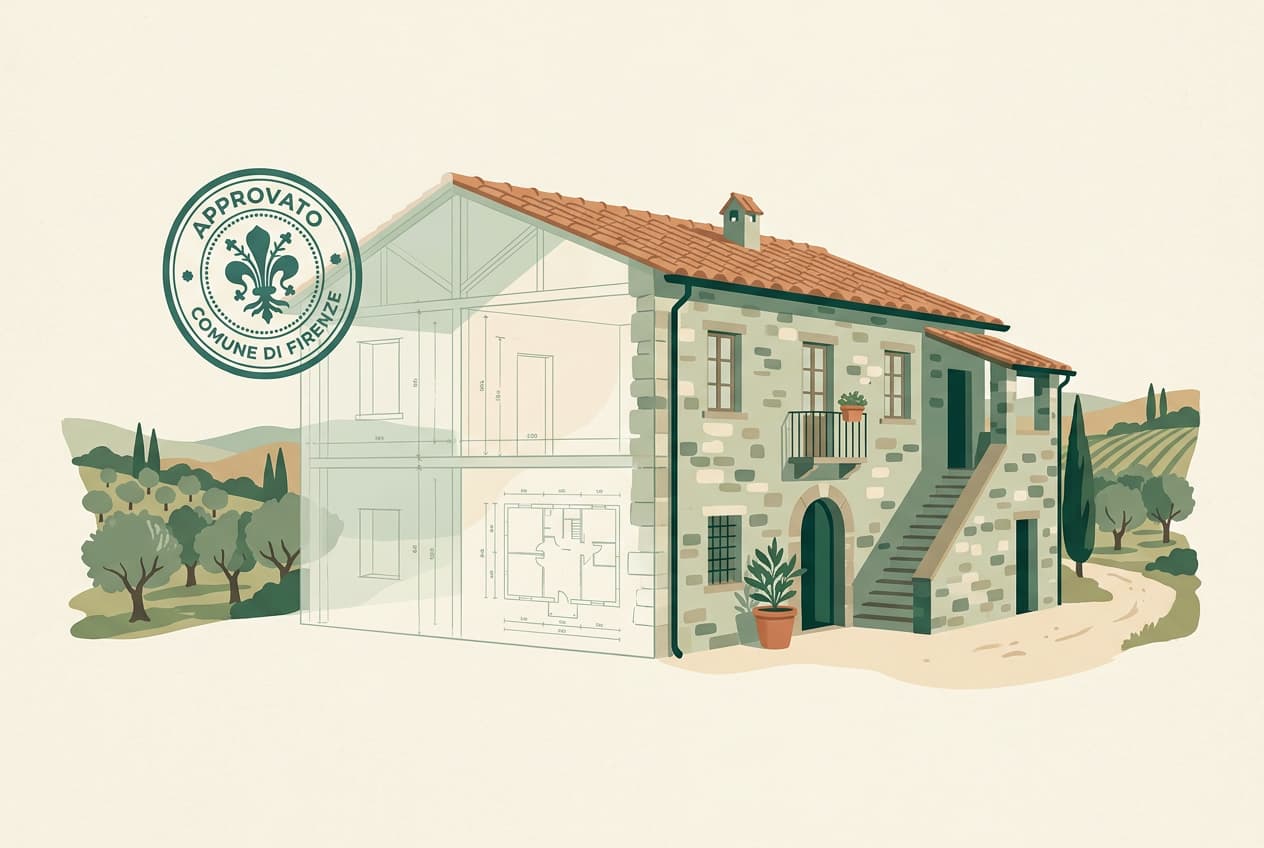
Condono, sanatoria, Salva Casa: Italy's building amnesties for confused buyers
What it means when an Italian property has a 'condono' or unpermitted works, why a pending amnesty is a red flag, and what changed with the Salva Casa decree.
Read the guide →

Can foreigners get Italy's 'prima casa' tax benefits? Yes — with strings attached
Italy's first-home tax regime can cut purchase taxes dramatically, and foreigners can qualify — but the residency commitments are serious. What to know before you claim it.
Read the guide →

Buying Italian property from abroad: how the procura (power of attorney) works
You don't have to fly to Italy for every signature. How a procura works, how to make one abroad with apostille, what it should (and shouldn't) allow, and what it costs.
Read the guide →
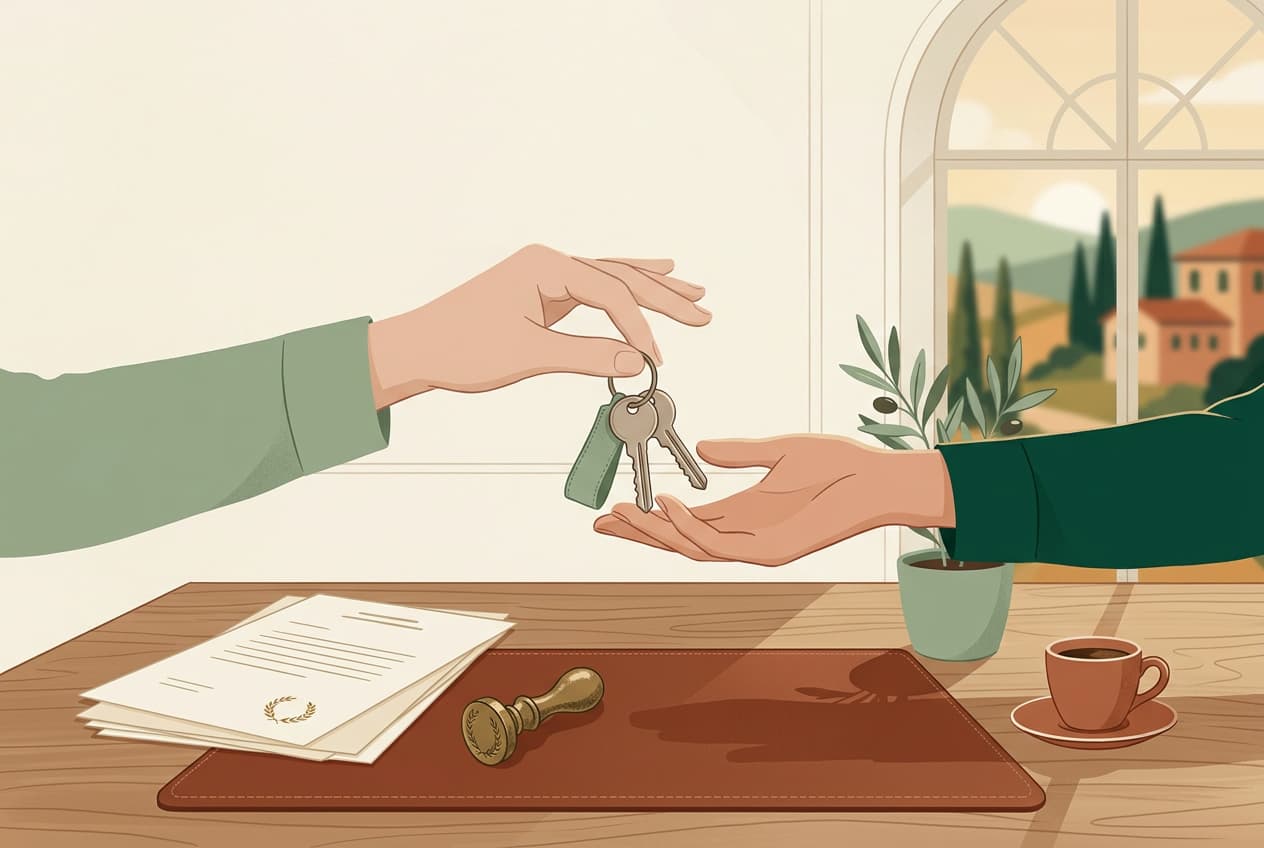
The rogito: what actually happens on closing day in Italy
Who's in the room, what gets read aloud, when the money moves, what you walk out with — and the three things to verify before you sit down at the notary's table.
Read the guide →
Italian judicial auctions (aste): real discounts, real complexity
Court auctions sell Italian property at 25-60% below market — without agents and without a seller to negotiate with. How they work, the real risks, and whether they make sense for a foreign buyer.
Read the guide →
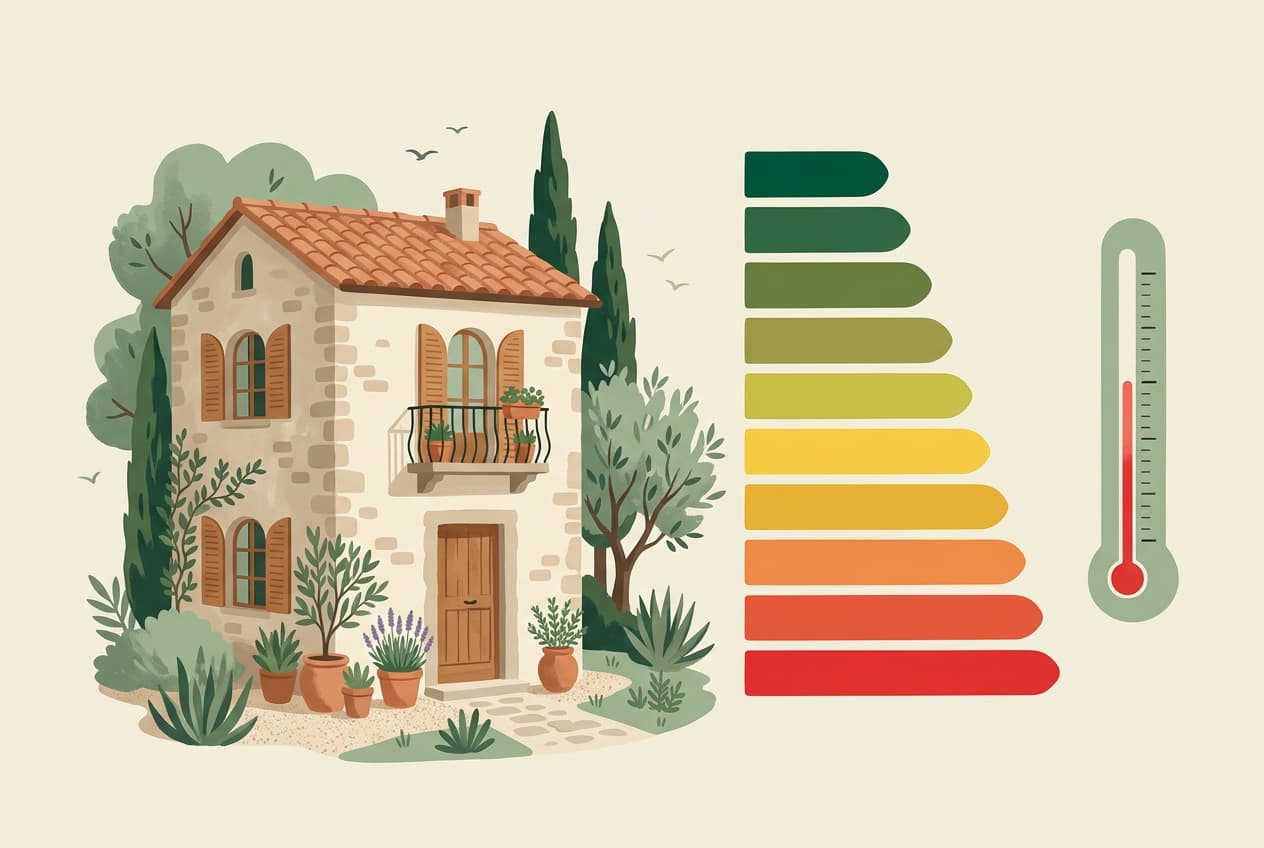
The APE energy certificate: small document, real leverage
Italy's energy performance certificate is mandatory in every sale — and most buyers ignore it. What the classes mean, what it must accompany, and how to use a bad class in negotiation.
Read the guide →

Getting an Italian mortgage as a foreigner: what banks actually look at
Yes, non-residents can get Italian mortgages — at lower loan-to-value and with more paperwork. What banks check, what kills applications, and how to protect your deposit meanwhile.
Read the guide →
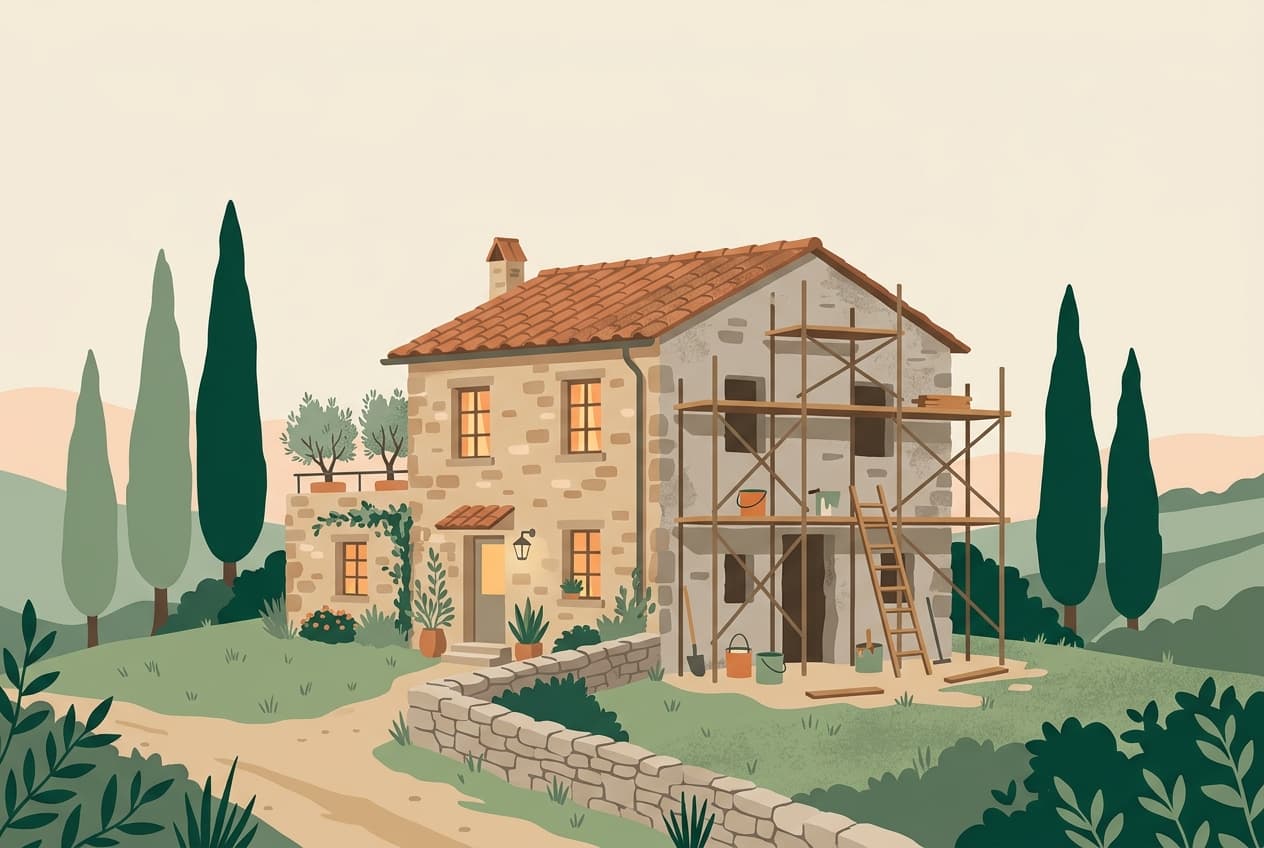
Buying a renovation project in Italy: romance, rubble and paperwork
The ruin with the olive grove costs 60k — then what? Permits, geometra, realistic budgets, and the document checks that separate a dream project from a legal headache.
Read the guide →

What an Italian home really costs per year (after you've bought it)
IMU, waste tax, condominium fees, utilities, insurance and the accountant: the realistic annual budget for a foreign-owned Italian home — and which costs second homes pay that first homes don't.
Read the guide →
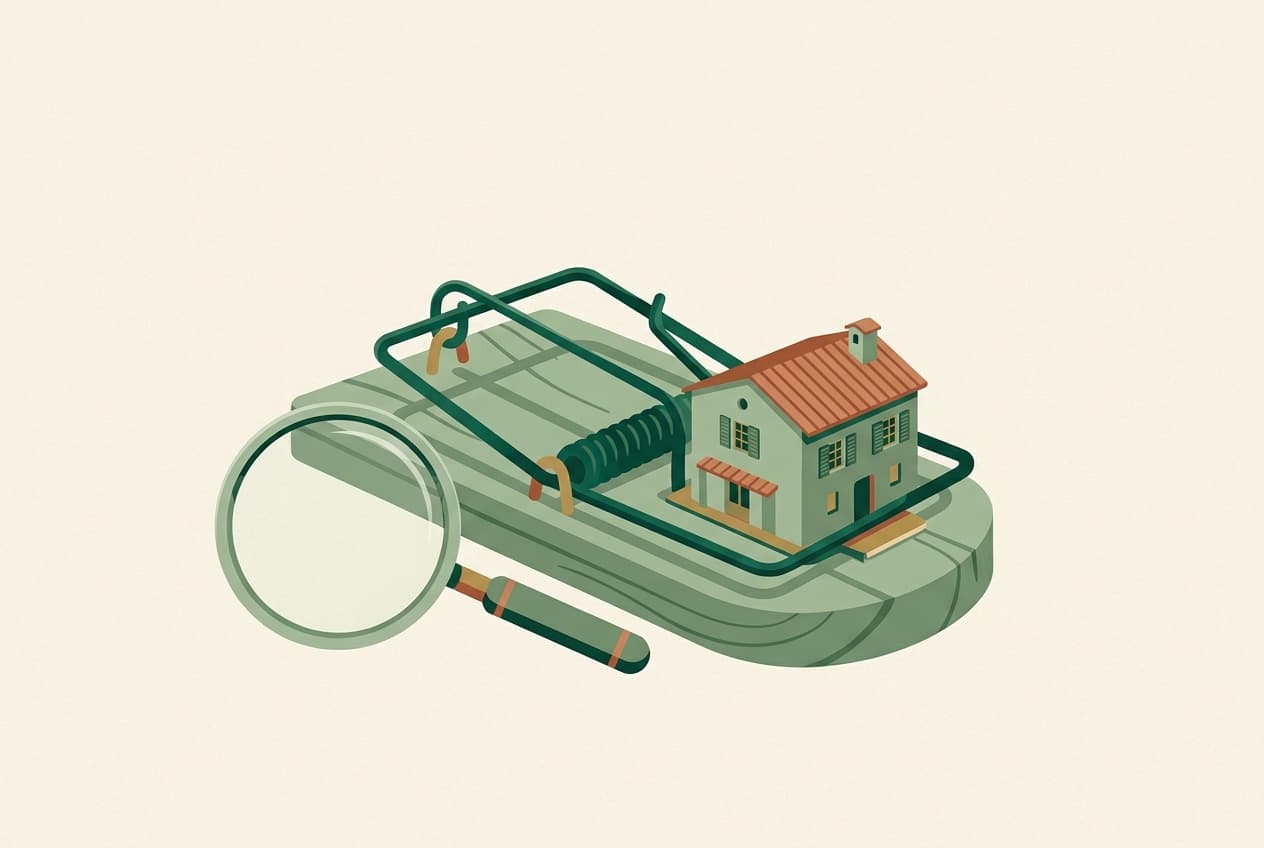
The seven classic ways foreign buyers get burned in Italy
Not dramatic scams — predictable, documented traps: verbal promises, sloppy proposals, unpermitted works, one-sided contracts. The pattern behind each, and the paper check that defuses it.
Read the guide →

Buying in Italy as a couple: whose name goes on the deed (and why it matters)
Community vs separation of property, unmarried partners, inheritance implications: how your relationship status shapes an Italian purchase — decided at the deed, hard to change after.
Read the guide →

Notaio, geometra, avvocato, agente: who actually protects you in an Italian purchase
Four professionals orbit every Italian property deal — with different jobs, different loyalties and different price tags. Who is legally on your side, who isn't, and when each is worth paying.
Read the guide →
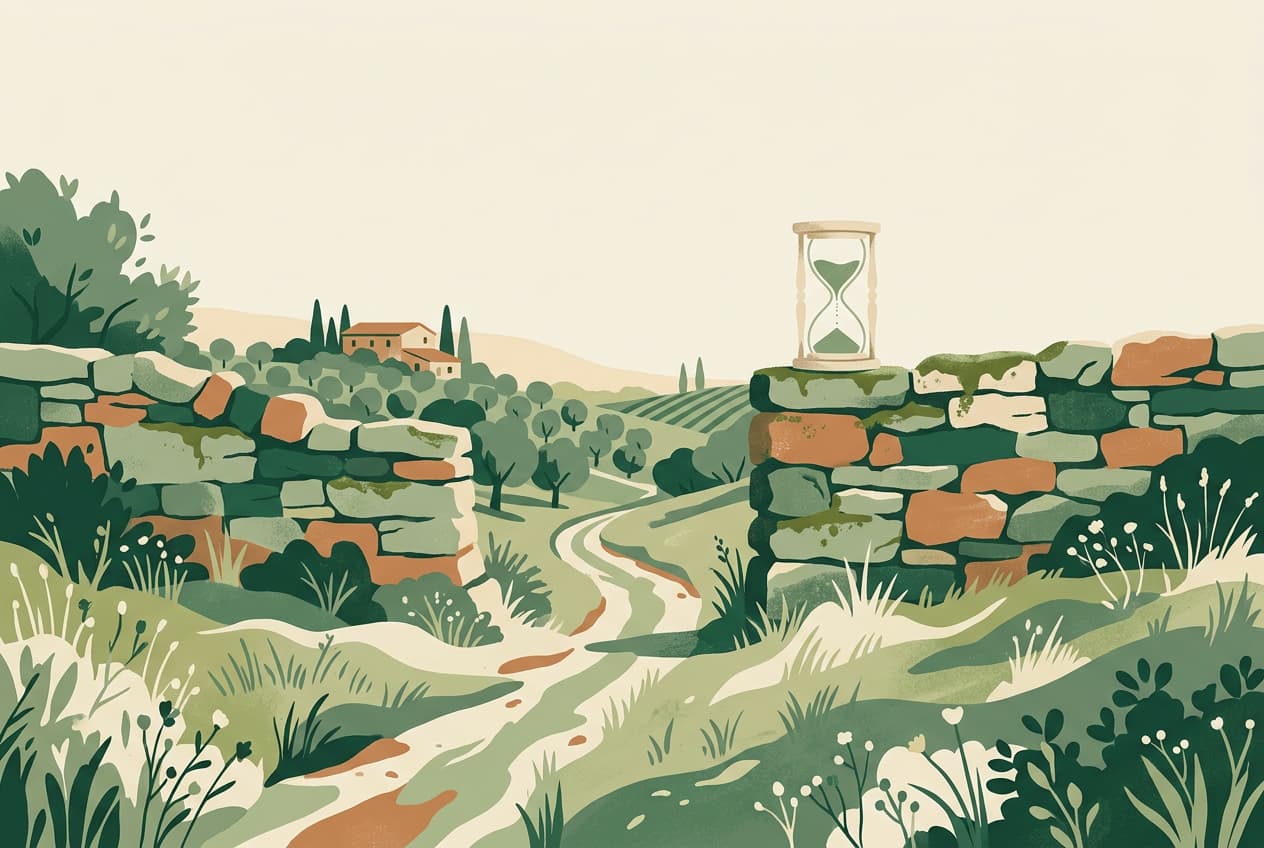
Usucapione: how adverse possession works in Italy, and why buyers should care
Twenty years of open possession can transfer ownership in Italy — with no deed and no payment. What that means when you're buying: the neighbour's path, the shed, and sellers whose title rests on a judgment.
Read the guide →
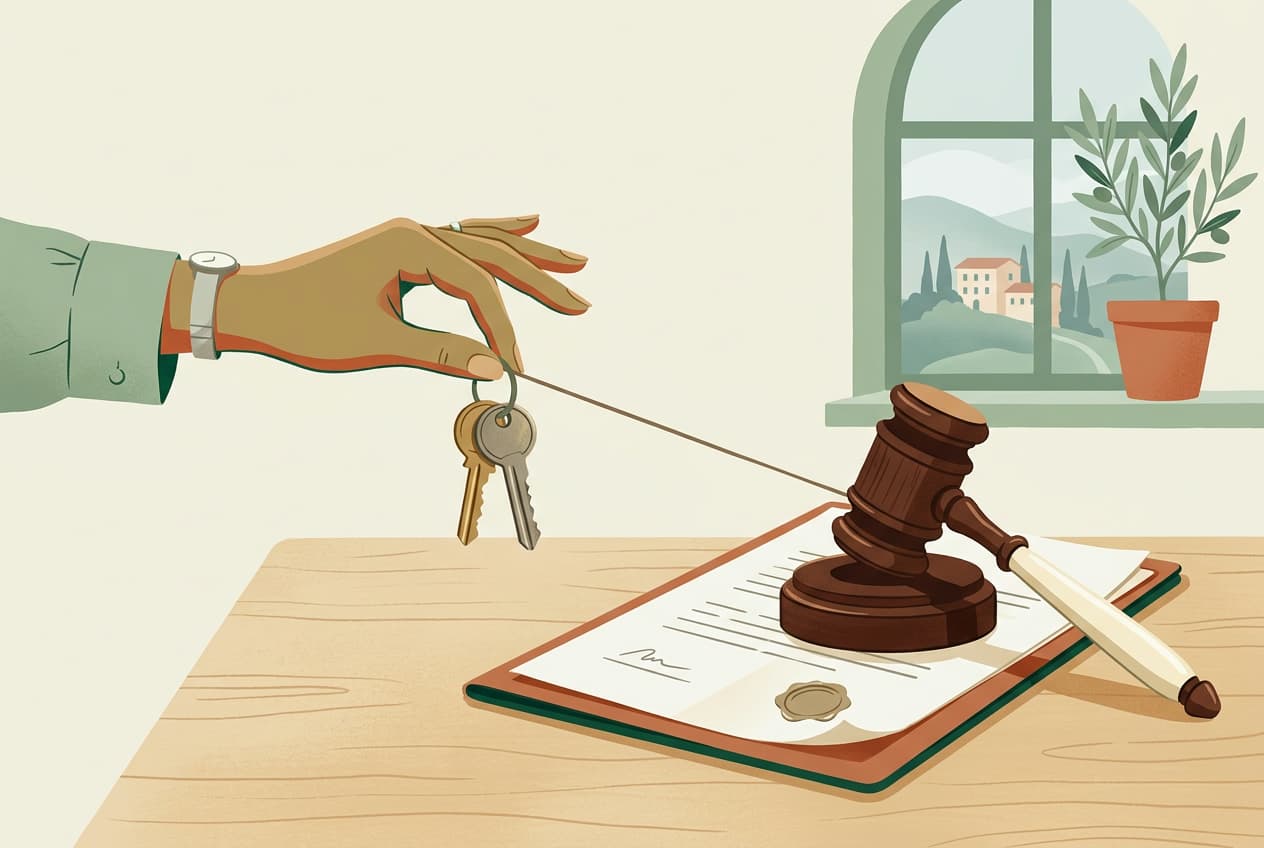
The seller wants out: what your preliminary contract actually lets you do
Double the deposit is not your only remedy. Italian law lets a buyer ask a court to complete the sale in the seller's place — and registering the compromesso makes that route far stronger.
Read the guide →

You inherited property in Italy: the paperwork nobody explains
A house in Italy has come to you through a relative. Before you can keep it, rent it or sell it, a specific chain of filings has to be completed — and one missing step blocks everything.
Read the guide →
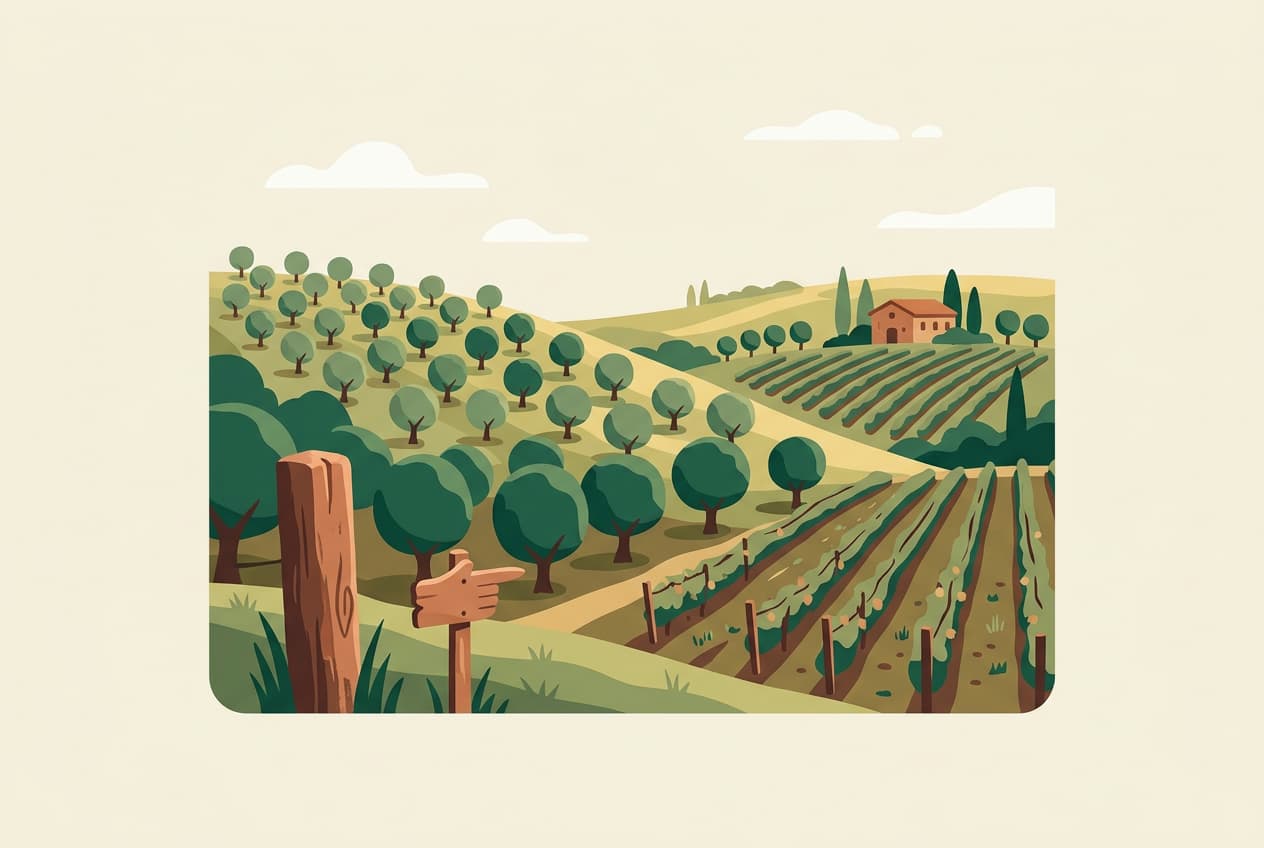
Buying land in Italy: the neighbour who can take your purchase
That olive grove attached to the farmhouse may be farmland in law — which means a neighbouring farmer can step into your deal at your price, even after you sign. How prelazione agraria works.
Read the guide →
€1 houses in Italy: how they actually work
The headline is real, the price is not the point. What municipalities actually require, what the total cost looks like, and the contractual commitments you take on for that symbolic euro.
Read the guide →