 CompromessoCheck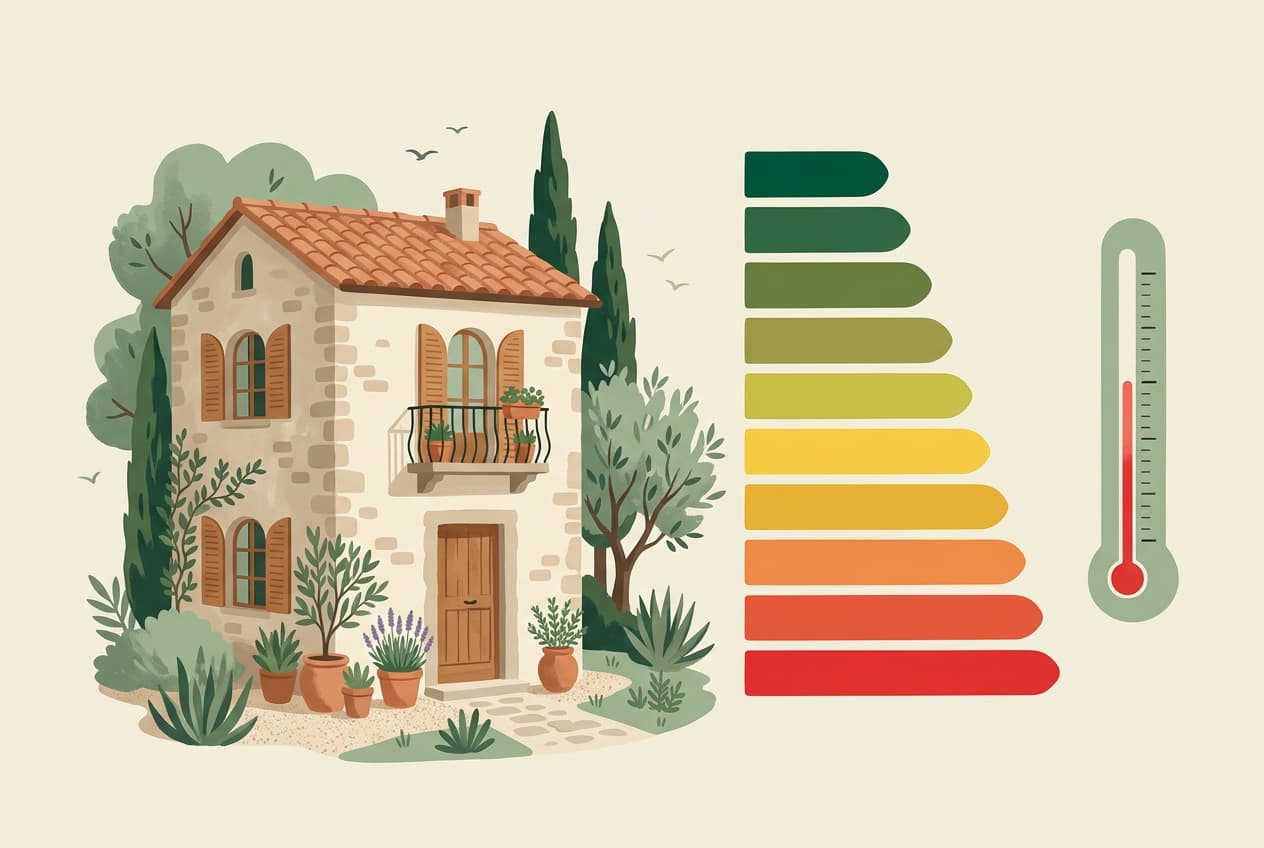
Guides · Updated 2026-08-04
The APE energy certificate: small document, real leverage
The APE (Attestato di Prestazione Energetica) is the least glamorous document of an Italian purchase — a few pages ranking the property from class A4 (excellent) to G (energy sieve). Buyers treat it as a formality. It's actually a negotiation tool and, increasingly, a value signal.
When it must exist
By law (D.Lgs 192/2005, art. 6) the APE must be commissioned by the seller, its class stated in the listing, and the certificate delivered to you and attached at the deed. It's prepared by a certified technician and is valid ten years — unless works change the building's performance. A missing or expired APE at the compromesso stage is sloppiness you should call out; the fix is cheap (€150-300) and it's the seller's job.
Reading it in ten seconds
The letter class summarizes consumption per square metre per year. Italy's stock is old: F and G are extremely common in the countryside houses foreigners love. That's not a reason to walk away — but it is a number: heating a G-class farmhouse can cost thousands of euros a year more than a C-class equivalent, and EU pressure on inefficient buildings keeps growing, which affects future value and renovation obligations.
Using it in negotiation
A poor class + realistic retrofit quotes (windows, insulation, heat pump) is legitimate, factual ammunition on price — more effective than generic haggling. Conversely, a genuine B-or-better class in an old building is worth paying for: someone already spent the renovation money.
Check one more thing: that the APE matches the actual property (address, cadastral data, floor area). Recycled or mismatched certificates surface regularly, and a wrong APE at the deed is a delay you don't need.
Where it fits in your document pile
The APE is one of the documents our analysis expects to see referenced in a well-drafted compromesso. If your contract doesn't mention it, the report will tell you — along with everything else the draft forgot in the seller's favour.
Have the document in hand? Don't guess.
Upload your compromesso, proposta or visura and get a plain-English report — clause by clause, with the risks ranked — in about a minute.
Analyze my document — from $39Or see a sample report first.
Related guides
This guide is general information about Italian law and practice, written by CompromessoCheck. It is not legal advice. Laws change and cases differ: verify your specific situation with a notary or an independent lawyer.